
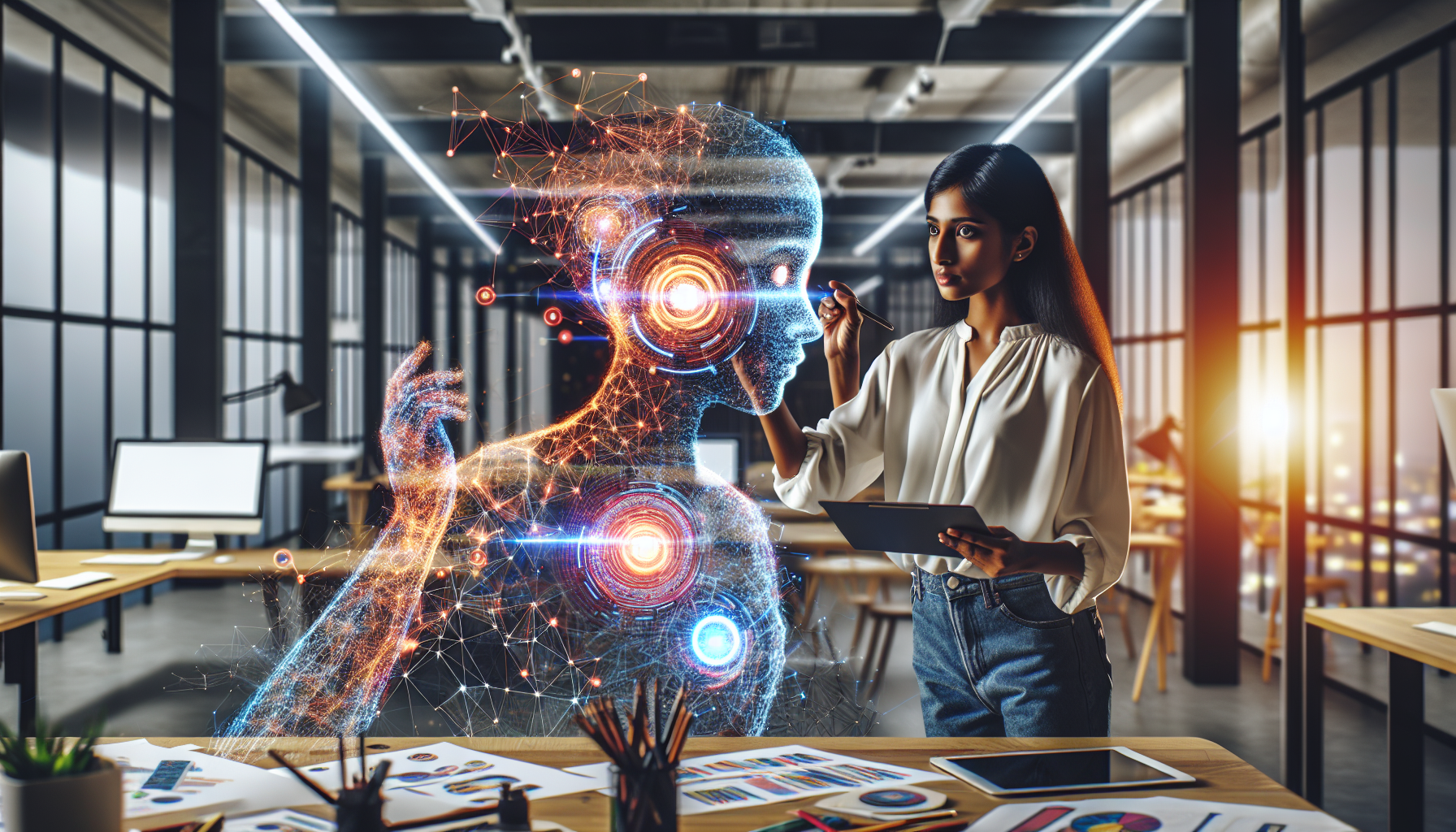
The Dawn of a New Creative Era: Generative AI in Design
The world of design is experiencing a profound transformation, thanks to the rapid advancements in generative Artificial Intelligence. From crafting breathtaking visuals to automating tedious tasks, AI tools are opening up unprecedented avenues for creative expression and efficiency. However, amidst the dazzling capabilities and the undeniable buzz, it’s crucial for designers and businesses alike to approach generative AI not as a mere trend, but as a powerful, strategic asset.
Simply jumping on the AI bandwagon without a clear purpose can lead to diluted creativity and missed opportunities. The real power lies in understanding how to leverage these tools intelligently, integrating them into our workflows to amplify human ingenuity, rather than overshadow it.
Unlocking Unprecedented Possibilities with AI
When applied thoughtfully, generative AI can redefine what’s possible in design. It acts as an extension of the designer’s mind, accelerating processes and enabling explorations that were once unimaginable:
Fueling Idea Generation and Exploration
Generative AI excels at rapid prototyping and conceptualization. Designers can use AI to quickly generate a multitude of design variations, explore different aesthetic styles, or even brainstorm entirely new concepts based on specific parameters. This frees up valuable human time to focus on refining the most promising ideas.
Streamlining Repetitive Tasks
Many aspects of the design process are repetitive, such as image resizing, background removal, or generating multiple iterations of a layout. AI can automate these tasks with remarkable speed and accuracy, allowing designers to dedicate more energy to strategic thinking and the core creative challenge.
Personalization and Customization at Scale
For brands and digital products, AI can facilitate hyper-personalized design experiences. From tailored ad creatives to dynamic website layouts that adapt to user preferences, generative AI enables designers to create bespoke content on a scale that was previously impossible.
Navigating the Hype: Why Strategic Adoption Matters
While the opportunities are vast, a critical perspective is essential. Adopting generative AI simply because it’s a trend, without a clear strategy, can introduce new challenges:
Avoiding Creative Monotony
Relying too heavily on AI without human direction can lead to generic or predictable outputs. The unique voice and artistic flair of a designer are vital for creating truly impactful and memorable work. AI should augment, not homogenize, creativity.
Ethical Considerations and Originality
Questions of data sourcing, copyright, and potential biases in AI models are paramount. Designers must be mindful of the ethical implications of the tools they use and ensure the originality and integrity of their work. Responsible AI use involves understanding its limitations and ensuring fair practices.
Maintaining Human Oversight and Judgment
AI is a powerful co-pilot, but it’s not a substitute for human intuition, empathy, and critical thinking. The human designer remains the conductor, guiding the AI, making final decisions, and injecting the essential elements of emotion and purpose into the design.
Best Practices for Integrating AI into Your Design Workflow
To truly harness the potential of generative AI, consider these best practices:
- Define Clear Objectives: Before engaging AI, understand what problem you’re trying to solve or what creative goal you aim to achieve.
- Embrace AI as a Collaborator: View AI as a partner in the creative process, a tool to explore, automate, and enhance, rather than a full replacement for human effort.
- Prioritize Human-Centric Design: Always keep the end-user in mind. Use AI to improve user experience and deliver value, not just to create visually striking (but potentially meaningless) outputs.
- Understand Limitations and Iterate: AI tools are constantly evolving. Be aware of their current capabilities and limitations, and be prepared to iterate and refine AI-generated content with human expertise.
- Stay Informed on Ethics and IP: Keep abreast of the evolving landscape of AI ethics, intellectual property rights, and best practices for responsible use.
The Future is a Human-AI Partnership
Generative AI is not just a passing fad; it’s a fundamental shift in how we approach creative challenges. Its true value isn’t in blindly following a trend, but in thoughtfully integrating it into our design ecosystems. By embracing a strategic, ethical, and human-led approach, designers can leverage AI to push the boundaries of creativity, deliver unparalleled value, and shape a future where innovation knows no bounds.
Leave a Reply